



العودة لأعلى الصفحة
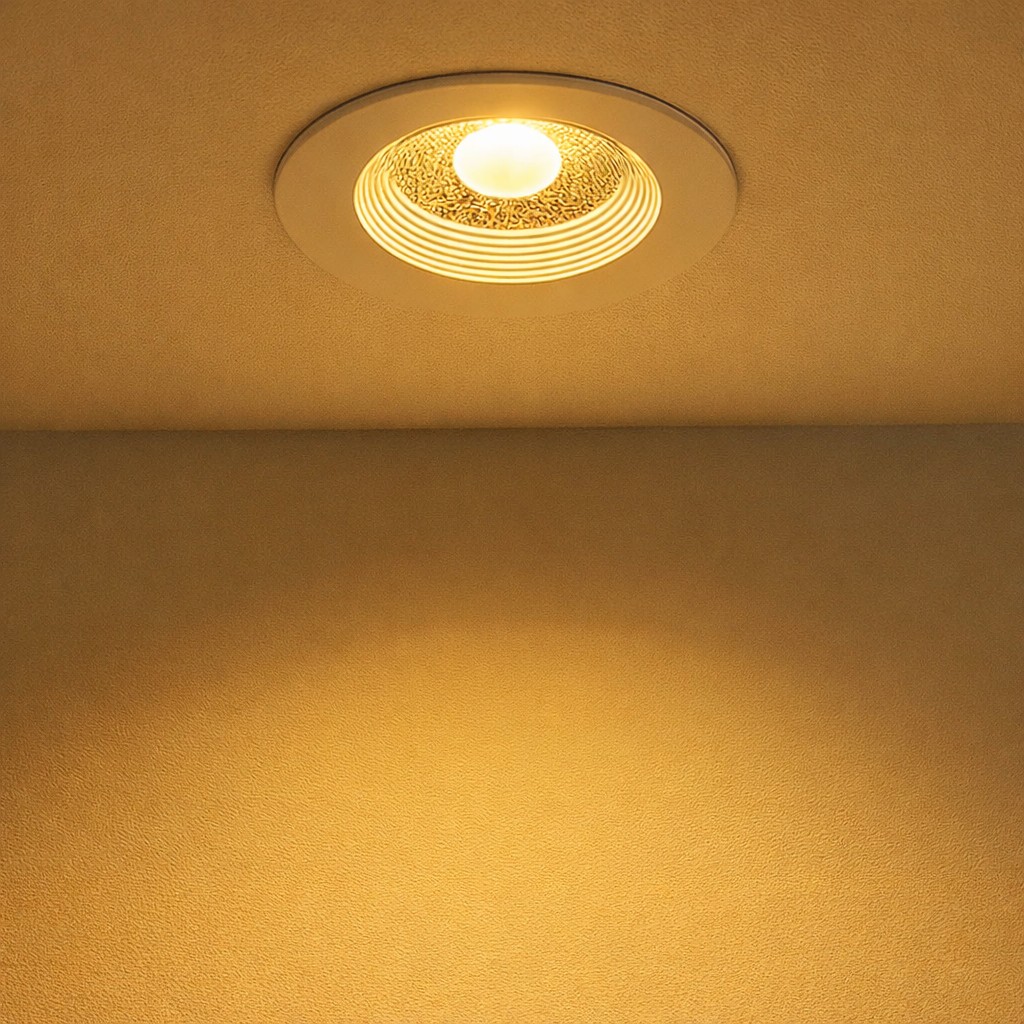
داون لايت
Loading...
داون لايت LED
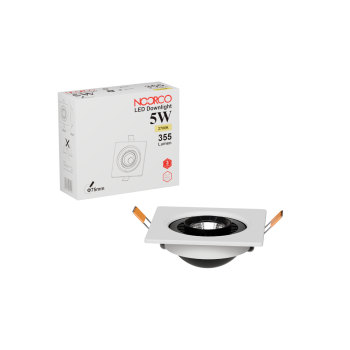
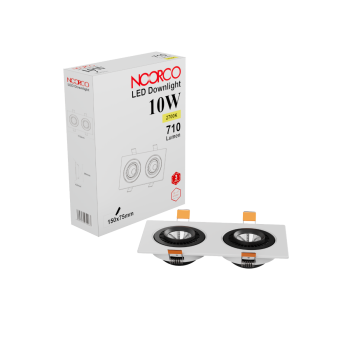
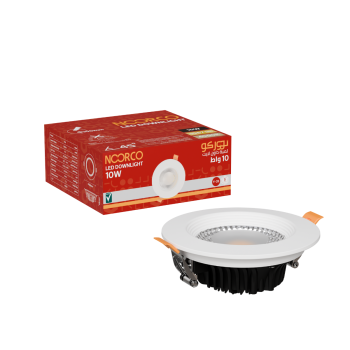
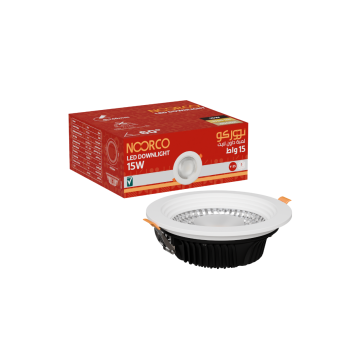
تضم هذه الفئة مجموعة متنوعة من وحدات داون لايت LED بمقاسات وقدرات وزوايا انتشار مختلفة، لتناسب الاستخدام في المنازل والمجالس والمطابخ والمكاتب والمحلات والمشاريع التجارية.
عند اختيار الداون لايت المناسب، لا يعتمد الاختيار على الواط فقط، بل يجب مراعاة اللومن، مقاس القص، زاوية انتشار الإضاءة، درجة حرارة اللون، معامل إظهار اللون CRI ودرجة الحماية IP. وتوفر مشكاتي خيارات متعددة لتسهيل اختيار وحدة الإنارة المناسبة حسب مساحة ومكان الاستخدام.
الأسئلة الشائعة عن الداون لايت
كيف أختار قوة الداون لايت المناسبة؟
يعتمد الاختيار على مساحة المكان وارتفاع السقف وعدد نقاط
الإنارة وكمية الضوء المطلوبة. لذلك لا يُنصح بالاعتماد على
الواط وحده، بل يجب مقارنة اللومن وكفاءة وحدة الإنارة
بالإضافة إلى توزيع الإضاءة داخل المساحة.
كيف أعرف مقاس القص المناسب للداون لايت؟
مقاس القص هو مقاس فتحة السقف المطلوبة لتركيب الداون لايت.
قبل الشراء، تأكد من قياس الفتحة الموجودة ومقارنتها بمقاس
القص الموضح في مواصفات المنتج، خصوصًا عند استبدال وحدة
داون لايت موجودة مسبقًا.
ما أفضل زاوية انتشار للداون لايت؟
يعتمد ذلك على الاستخدام المطلوب. الزوايا الضيقة مثل
30° و36° توفر إضاءة أكثر تركيزًا، بينما تساعد الزوايا
الأوسع مثل 60° و90° و120° على توزيع الضوء على مساحة
أكبر.
ما الفرق بين CRI 80 وCRI 90 في الداون لايت؟
يشير CRI إلى مدى دقة ظهور ألوان الأشياء تحت الإضاءة.
يوفر CRI 90 إظهارًا أكثر دقة وطبيعية للألوان مقارنة
بـ CRI 80.
هل يوجد داون لايت مناسب للأماكن الخارجية؟
نعم، تتوفر وحدات داون لايت بدرجات حماية مختلفة مثل
IP65 وIP67. يجب اختيار درجة الحماية حسب مكان التركيب
ومدى تعرض وحدة الإنارة للماء والغبار.
هل الواط الأعلى يعني أن الداون لايت يعطي إضاءة أقوى؟
ليس بالضرورة. الواط يعبر عن استهلاك الطاقة، بينما يتم
قياس كمية الضوء باللومن. لذلك يفضل مقارنة اللومن وكفاءة
الإضاءة إلى جانب القدرة الكهربائية.
داون لايت LED
بهالقسم تلقى تشكيلة متنوعة من الداون لايت LED بمقاسات وواطات وزوايا إضاءة مختلفة، تناسب البيت والديوانية والمطبخ والمكتب والمحل والمشاريع التجارية.
لما تختار الداون لايت، لا تعتمد على الواط بس. شوف اللومن، مقاس فتحة القص، زاوية الإضاءة، لون الإضاءة، CRI ودرجة الحماية IP. مشكاتي توفر لك خيارات متعددة عشان تختار الإنارة الأنسب للمكان.
أسئلة شائعة عن الداون لايت
شلون أختار واط الداون لايت المناسب؟
يعتمد على مساحة المكان، ارتفاع السقف، عدد نقاط الإنارة
وكمية الإضاءة اللي تحتاجها. لا تعتمد على الواط بروحه،
وقارن اللومن وكفاءة الإضاءة قبل الاختيار.
شلون أعرف مقاس القص المناسب؟
مقاس القص هو قياس فتحة السقف اللي يركب فيها الداون لايت.
إذا عندك فتحة جاهزة، قيسها وقارنها بمقاس القص الموجود
بمواصفات المنتج قبل الطلب.
شنو أفضل زاوية إضاءة للداون لايت؟
يعتمد على استخدامك. الزوايا مثل 30° و36° تعطي إضاءة
مركزة أكثر، أما 60° و90° و120° فتوزع الإضاءة
على مساحة أوسع.
شنو الفرق بين CRI 80 وCRI 90؟
الـ CRI يوضح لك مدى ظهور الألوان بشكل طبيعي تحت الإضاءة.
CRI 90 يعطي دقة أعلى بالألوان مقارنة بـ CRI 80،
ويفيد بالأماكن اللي يهم فيها وضوح الألوان والخامات.
في داون لايت مناسب للأماكن الخارجية؟
إي نعم. تتوفر خيارات بدرجات حماية مثل IP65 وIP67.
اختار درجة الحماية على حسب مكان التركيب ومدى تعرض
الإنارة للماي والغبار.
إذا الواط أعلى يعني الإضاءة أقوى؟
مو شرط. الواط يقيس استهلاك الكهرباء، أما قوة الإضاءة
الفعلية فتتقاس باللومن. عشان جذي الأفضل تقارن اللومن
وكفاءة الإنارة مع الواط.
داون لايت LED
في هالقسم بتحصل تشكيلة متنوعة من الداون لايت LED بمقاسات وقدرات وزوايا إضاءة مختلفة، تناسب البيت والمجلس والمطبخ والمكتب والمحلات والمشاريع التجارية.
يوم تختار الداون لايت المناسب، لا تعتمد على الواط بس. مهم تشوف اللومن، مقاس القص، زاوية الإضاءة، درجة حرارة اللون، CRI ودرجة الحماية IP. مشكاتي توفر خيارات متعددة تساعدك تختار الإنارة الأنسب للمكان.
أسئلة شائعة عن الداون لايت
كيف أختار واط الداون لايت المناسب؟
يعتمد على مساحة المكان وارتفاع السقف وعدد نقاط الإنارة
وكمية الضوء المطلوبة. لا تعتمد على الواط بس،
وقارن اللومن وكفاءة الإنارة قبل الاختيار.
كيف أعرف مقاس القص المناسب؟
مقاس القص هو قياس فتحة السقف المطلوبة لتركيب الداون لايت.
إذا عندك فتحة موجودة، قيسها وقارنها بمقاس القص الموضح
في مواصفات المنتج قبل الطلب.
شو أفضل زاوية إضاءة للداون لايت؟
يعتمد على الاستخدام. الزوايا مثل 30° و36° تعطي
إضاءة مركزة، بينما 60° و90° و120° تساعد على توزيع
الإضاءة على مساحة أكبر.
شو الفرق بين CRI 80 وCRI 90؟
الـ CRI يوضح مدى ظهور الألوان بشكل طبيعي تحت الإضاءة.
CRI 90 يعطي دقة أعلى في إظهار الألوان مقارنة بـ CRI 80.
في داون لايت مناسب للأماكن الخارجية؟
نعم، تتوفر خيارات بدرجات حماية مثل IP65 وIP67.
اختار درجة الحماية المناسبة حسب مكان التركيب
ومدى تعرض الإنارة للماي والغبار.
الواط الأعلى يعني إضاءة أقوى؟
مب شرط. الواط يقيس استهلاك الطاقة، أما كمية الضوء
فتتقاس باللومن. لذلك الأفضل تقارن اللومن وكفاءة
الإنارة مع الواط.
LED Downlights
Explore a wide selection of LED downlights available in different sizes, wattages and beam angles for residential, majlis, kitchen, office, retail and commercial lighting applications.
Choosing the right downlight should not be based on wattage alone. Important factors include lumen output, cut-out size, beam angle, color temperature, CRI and IP rating. Meshkati offers multiple options to help you select the appropriate lighting solution according to the space and application.
Frequently Asked Questions About LED Downlights
How do I choose the right downlight wattage?
The appropriate choice depends on the room size, ceiling
height, number of lighting points and required light output.
Wattage alone should not determine brightness; lumen output
and fixture efficiency should also be considered.
How do I choose the correct downlight cut-out size?
The cut-out size refers to the ceiling opening required
to install the downlight. Measure the existing opening
and compare it with the dimensions listed in the product
specifications.
Which beam angle is best for a downlight?
Narrow angles such as 30° and 36° provide more focused
lighting, while wider angles such as 60°, 90° and 120°
distribute light across a larger area.
What is the difference between CRI 80 and CRI 90?
CRI indicates how accurately colors appear under a light
source. CRI 90 provides more accurate and natural color
rendering than CRI 80.
Are there downlights suitable for outdoor use?
Yes. Downlights are available with different protection
ratings, including IP65 and IP67. Select the appropriate
IP rating according to the installation environment.
Does higher wattage always mean a brighter downlight?
Not necessarily. Wattage measures power consumption,
while lumens measure light output. Compare lumen output
and lighting efficiency together with wattage.

