



Back to Top
Outdoor
Loading...
الإنارة الخارجية للحدائق والواجهات والممرات
اكتشف مجموعة متكاملة من الإنارة الخارجية للمنازل والفلل والحدائق والمشاريع، تشمل الكشافات الخارجية، الجداريات، الإنارات الأرضية، أعمدة الحدائق، إنارة الدرج والممرات، إنارة الأسوار والوول واشر، بالإضافة إلى إنارة المسابح وأعمدة الشوارع والحلول الديكورية الخارجية.
عند اختيار الإضاءة الخارجية يجب مراعاة درجة الحماية IP، شدة الإضاءة، زاوية الانتشار، درجة حرارة اللون ومكان التركيب. فالإنارة المناسبة للواجهة تختلف عن إنارة الممر أو الحديقة أو السور أو المسبح، لذلك توفر مشكاتي خيارات متعددة لتوزيع الإضاءة بطريقة عملية وجمالية حسب طبيعة كل مساحة.
الأسئلة الشائعة عن الإنارة الخارجية
كيف أختار الإنارة الخارجية المناسبة للحديقة أو الفيلا؟
ابدأ بتحديد المنطقة المطلوب إضاءتها والهدف من الإنارة.
يمكن استخدام الجداريات للمداخل والواجهات والأسوار،
وأعمدة الحدائق للممرات والمساحات الخضراء، والإنارات
الأرضية لإبراز الأشجار والواجهات، بينما تناسب الكشافات
المساحات التي تحتاج إلى إضاءة أقوى وأوسع. بعد ذلك
اختر شدة الإضاءة ودرجة اللون ودرجة الحماية المناسبة.
ما درجة IP المناسبة للإنارة الخارجية؟
تعتمد درجة الحماية المطلوبة على مكان التركيب ومدى
التعرض للماء والغبار. تستخدم درجات مثل IP65 في العديد
من تطبيقات الإنارة الخارجية، بينما قد تحتاج المواقع
الأكثر تعرضًا للماء أو الظروف القاسية إلى درجات حماية
أعلى مثل IP67 أو IP68 حسب التطبيق. يجب دائمًا مراجعة
تصنيف IP لكل منتج قبل التركيب.
ما الفرق بين IP65 وIP67 وIP68؟
جميعها درجات حماية مرتفعة، لكن مستوى مقاومة دخول الماء
يختلف بينها. IP65 يستخدم في كثير من تطبيقات الإنارة
الخارجية المعرضة للمطر ورذاذ الماء، بينما توفر IP67
وIP68 مستويات حماية أعلى لتطبيقات أكثر تعرضًا للماء.
اختيار الدرجة يجب أن يعتمد على موقع وطريقة تركيب المنتج
وليس على الرقم الأعلى فقط.
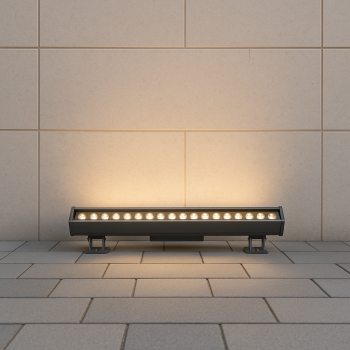
ما أفضل إضاءة لإبراز واجهة المنزل أو الفيلا؟
يمكن استخدام الوول واشر لتوزيع الضوء على أجزاء واسعة
من الواجهة، أو الإنارات الأرضية Up Light لإضاءة الأعمدة
والأشجار والتفاصيل المعمارية من الأسفل، كما يمكن استخدام
الجداريات للحصول على تأثيرات ضوئية على الجدار.
يعتمد الاختيار على ارتفاع الواجهة والمسافة وزاوية
الانتشار والتأثير المطلوب.
ما الفرق بين الأب لايت والوول واشر في الإنارة الخارجية؟
الأب لايت يستخدم عادةً لتوجيه الضوء من الأرض إلى أعلى
لإبراز شجرة أو عمود أو جزء محدد من الواجهة، بينما
يستخدم الوول واشر لتوزيع الضوء على مساحة أكبر من
الجدار أو الواجهة. ويمكن الجمع بين النوعين للحصول
على طبقات وتأثيرات مختلفة في تصميم الإنارة الخارجية.
كيف أختار زاوية انتشار الإضاءة الخارجية؟
الزوايا الضيقة تركز الضوء على عنصر محدد مثل شجرة أو
عمود أو تفصيلة معمارية، بينما الزوايا الأوسع توزع
الضوء على مساحة أكبر. لذلك يعتمد الاختيار على ارتفاع
الوحدة وبعدها عن العنصر وحجم المساحة المطلوب إضاءتها،
وليس على قوة الواط فقط.
ما الأفضل للإنارة الخارجية 3000K أم 4000K؟
3000K تعطي إضاءة دافئة وتناسب الحدائق والجلسات
والواجهات والمداخل التي يراد منحها أجواء مريحة
وديكورية. أما 4000K فتعطي ضوءًا أبيض أكثر حيادية
ووضوحًا وتناسب الممرات وبعض الاستخدامات العملية.
ويمكن الجمع بينهما حسب تصميم المشروع مع الحفاظ على
تناسق درجات اللون في المساحة الواحدة.
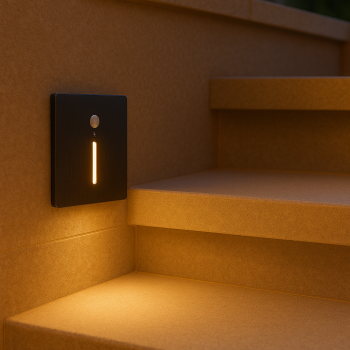
كيف أختار إنارة الممرات والدرج الخارجي؟
الهدف الأساسي هو توضيح مسار الحركة والدرجات دون
إزعاج العين. يمكن استخدام إنارة الدرج والجدران
المنخفضة أو أعمدة الحدائق حسب تصميم المكان، مع توزيع
الوحدات على مسافات مناسبة واختيار شدة إضاءة مريحة
ودرجة حماية مناسبة للاستخدام الخارجي.
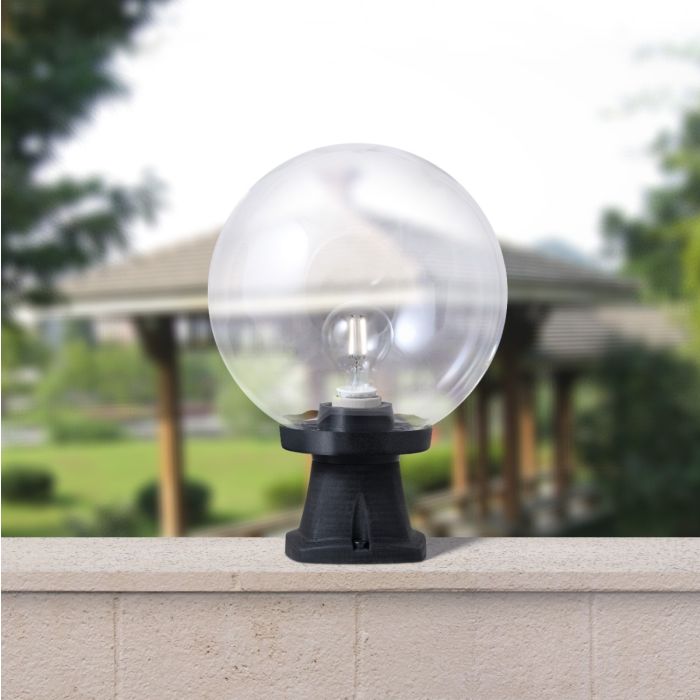
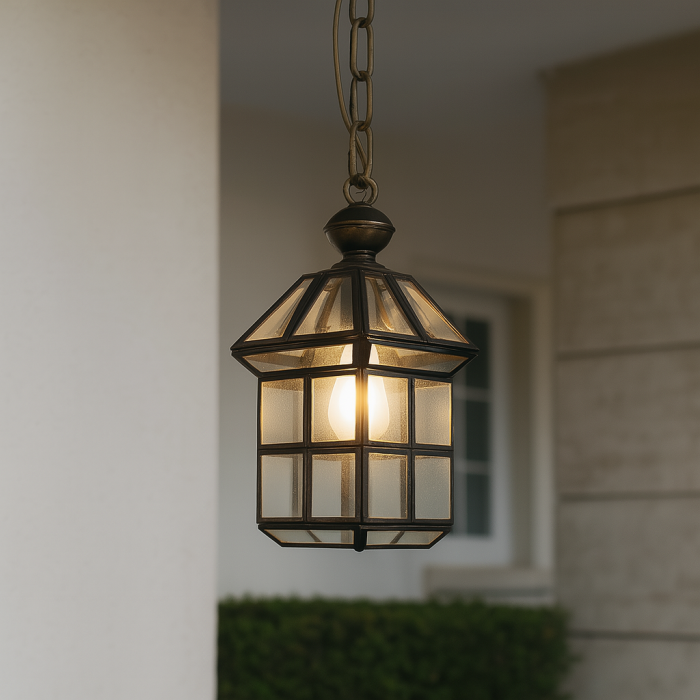
ما الإنارة المناسبة للأسوار والمداخل الخارجية؟
يمكن استخدام فوانيس وإنارة الأسوار أعلى الأعمدة أو
الجدران، بالإضافة إلى الجداريات الخارجية بجانب
المداخل والبوابات. تتوفر تصاميم مودرن وكلاسيكية،
وبعض الوحدات تستخدم لمبات قابلة للاستبدال مثل E27
بينما تأتي وحدات أخرى بمصدر LED مدمج.
هل يمكن استخدام أي إنارة خارجية داخل المسبح؟
لا. إنارة المسابح تحتاج إلى منتجات مصممة ومصنفة
خصيصًا لهذا الاستخدام مع مستوى الحماية وطريقة التشغيل
والتركيب المناسبة. لا يكفي أن تكون وحدة الإنارة
مصنفة كإنارة خارجية فقط، ويجب الالتزام بالمواصفات
الكهربائية وتعليمات التركيب الخاصة بإنارة المسابح.
الإنارة الخارجية للحدايق والواجهات والممرات
بهالقسم تلقى تشكيلة متكاملة من الإنارة الخارجية للبيوت والفلل والحدايق والمشاريع، تشمل الكشافات الخارجية، الجداريات، الإنارات الأرضية، أعمدة الحدايق، إنارة الدرج والممرات، إنارة الأسوار والوول واشر، بالإضافة إلى إنارة المسابح وأعمدة الشوارع والحلول الديكورية الخارجية.
لما تختار الإضاءة الخارجية لازم تراعي درجة الحماية IP، قوة الإضاءة، زاوية الانتشار، درجة حرارة اللون ومكان التركيب. لأن الإنارة المناسبة للواجهة تختلف عن إنارة الممر أو الحديقة أو السور أو المسبح، وعشان جذي مشكاتي توفر خيارات مختلفة لتوزيع الإضاءة بشكل عملي وجمالي حسب طبيعة كل مساحة.
أسئلة شائعة عن الإنارة الخارجية
شلون أختار الإنارة الخارجية المناسبة للحديقة أو الفيلا؟
أول شي حدد المنطقة اللي تبي تضيئها والهدف من الإنارة.
تقدر تستخدم الجداريات للمداخل والواجهات والأسوار،
وأعمدة الحدايق للممرات والمساحات الخضراء، والإنارات
الأرضية لإبراز الأشجار والواجهات، أما الكشافات فتناسب
المساحات اللي تحتاج إضاءة أقوى وأوسع. بعدها اختار
قوة الإضاءة ودرجة اللون ودرجة الحماية المناسبة.
شنو درجة IP المناسبة للإنارة الخارجية؟
درجة الحماية المطلوبة تعتمد على مكان التركيب ومدى
تعرض الوحدة للماي والغبار. IP65 تستخدم في وايد من
تطبيقات الإنارة الخارجية، أما المواقع الأكثر تعرض
للماي أو الظروف القاسية فممكن تحتاج حماية أعلى مثل
IP67 أو IP68 حسب الاستخدام. لازم دائمًا تراجع
تصنيف IP لكل منتج قبل التركيب.
شنو الفرق بين IP65 وIP67 وIP68؟
كلهم درجات حماية مرتفعة، لكن مستوى مقاومة دخول الماي
يختلف بينهم. IP65 تستخدم في وايد من الإنارات الخارجية
المعرضة للمطر ورذاذ الماي، بينما IP67 وIP68 توفر
مستويات حماية أعلى للتطبيقات الأكثر تعرض للماي.
اختار الدرجة حسب مكان وطريقة تركيب المنتج، مو بس
على أساس إن الرقم الأعلى أفضل.
شنو أفضل إنارة لإبراز واجهة البيت أو الفيلا؟
تقدر تستخدم الوول واشر لتوزيع الضوء على أجزاء واسعة
من الواجهة، أو الإنارة الأرضية Up Light لإضاءة الأعمدة
والأشجار والتفاصيل المعمارية من تحت. وتقدر بعد تستخدم
الجداريات لعمل تأثيرات ضوئية على الجدار.
الاختيار يعتمد على ارتفاع الواجهة والمسافة وزاوية
الانتشار والتأثير اللي تبيه.
شنو الفرق بين الأب لايت والوول واشر؟
الأب لايت يستخدم عادةً لتوجيه الضوء من الأرض لفوق
عشان يبرز شجرة أو عمود أو جزء معين من الواجهة،
أما الوول واشر فيوزع الضوء على مساحة أكبر من الجدار
أو الواجهة. وتقدر تجمع بينهم عشان تحصل على طبقات
وتأثيرات مختلفة بتصميم الإنارة الخارجية.
شلون أختار زاوية انتشار الإضاءة الخارجية؟
الزوايا الضيقة تركز الضوء على عنصر معين مثل شجرة
أو عمود أو تفصيلة معمارية، أما الزوايا الأوسع فتوزع
الضوء على مساحة أكبر. الاختيار يعتمد على ارتفاع
الوحدة وبعدها عن العنصر وحجم المساحة اللي تبي تضيئها،
مو على قوة الواط بروحها.
شنو الأفضل للإنارة الخارجية 3000K ولا 4000K؟
3000K تعطي إضاءة دافية وتناسب الحدايق والجلسات
والواجهات والمداخل إذا تبي جو مريح وديكوري.
أما 4000K فتعطي ضوء أبيض أكثر حيادية ووضوح وتناسب
الممرات وبعض الاستخدامات العملية. وتقدر تجمع بينهم
حسب تصميم المشروع مع المحافظة على تناسق درجات اللون
بنفس المساحة.
شلون أختار إنارة الممرات والدرج الخارجي؟
الهدف الأساسي إنك توضح مسار المشي والدرج بدون ما
تزعج العين. تقدر تستخدم إنارة الدرج والجدران المنخفضة
أو أعمدة الحدايق حسب تصميم المكان، مع توزيع الوحدات
بمسافات مناسبة واختيار قوة إضاءة مريحة ودرجة حماية
مناسبة للاستخدام الخارجي.
شنو الإنارة المناسبة للأسوار والمداخل الخارجية؟
تقدر تستخدم فوانيس وإنارة الأسوار فوق الأعمدة أو
الجدران، بالإضافة للجداريات الخارجية جنب المداخل
والبوابات. في تصاميم مودرن وكلاسيكية، وبعض الوحدات
تستخدم لمبات قابلة للتبديل مثل E27، ووحدات ثانية
تجي بمصدر LED مدمج.
أقدر أستخدم أي إنارة خارجية داخل المسبح؟
لا. إنارة المسابح تحتاج منتجات مصممة ومصنفة خصيصًا
لهالاستخدام، مع مستوى الحماية وطريقة التشغيل والتركيب
المناسبة. مو كافي إن الوحدة تكون مصنفة كإنارة خارجية
وبس، ولازم الالتزام بالمواصفات الكهربائية وتعليمات
التركيب الخاصة بإنارة المسابح.
الإنارة الخارجية للحدائق والواجهات والممرات
في هالقسم بتحصل تشكيلة متكاملة من الإنارة الخارجية للبيوت والفلل والحدائق والمشاريع، تشمل الكشافات الخارجية، الجداريات، الإنارات الأرضية، أعمدة الحدائق، إنارة الدرج والممرات، إنارة الأسوار والوول واشر، بالإضافة إلى إنارة المسابح وأعمدة الشوارع والحلول الديكورية الخارجية.
لما تختار الإضاءة الخارجية لازم تراعي درجة الحماية IP، قوة الإضاءة، زاوية الانتشار، درجة حرارة اللون ومكان التركيب. لأن الإنارة المناسبة للواجهة تختلف عن إنارة الممر أو الحديقة أو السور أو المسبح، لذلك مشكاتي توفر خيارات متعددة لتوزيع الإضاءة بشكل عملي وجمالي حسب طبيعة كل مساحة.
أسئلة شائعة عن الإنارة الخارجية
كيف أختار الإنارة الخارجية المناسبة للحديقة أو الفيلا؟
أول شي حدد المنطقة اللي تبغي تضيئها والهدف من الإنارة.
تقدر تستخدم الجداريات للمداخل والواجهات والأسوار،
وأعمدة الحدائق للممرات والمساحات الخضراء، والإنارات
الأرضية لإبراز الأشجار والواجهات، بينما الكشافات تناسب
المساحات اللي تحتاج إضاءة أقوى وأوسع. بعدها اختار
قوة الإضاءة ودرجة اللون ودرجة الحماية المناسبة.
شو درجة IP المناسبة للإنارة الخارجية؟
درجة الحماية المطلوبة تعتمد على مكان التركيب ومدى
تعرض الوحدة للماي والغبار. IP65 تستخدم في الكثير من
تطبيقات الإنارة الخارجية، بينما المواقع الأكثر تعرضًا
للماي أو الظروف القاسية ممكن تحتاج درجات حماية أعلى
مثل IP67 أو IP68 حسب الاستخدام. لازم دائمًا تراجع
تصنيف IP لكل منتج قبل التركيب.
شو الفرق بين IP65 وIP67 وIP68؟
كلها درجات حماية مرتفعة، لكن مستوى مقاومة دخول الماي
يختلف بينها. IP65 تستخدم في الكثير من الإنارات الخارجية
المعرضة للمطر ورذاذ الماي، بينما IP67 وIP68 توفر
مستويات حماية أعلى للتطبيقات الأكثر تعرضًا للماي.
اختار الدرجة حسب مكان وطريقة تركيب المنتج، مب على
أساس الرقم الأعلى فقط.
شو أفضل إنارة لإبراز واجهة البيت أو الفيلا؟
تقدر تستخدم الوول واشر لتوزيع الضوء على أجزاء واسعة
من الواجهة، أو الإنارة الأرضية Up Light لإضاءة الأعمدة
والأشجار والتفاصيل المعمارية من تحت، وممكن تستخدم
الجداريات للحصول على تأثيرات ضوئية على الجدار.
الاختيار يعتمد على ارتفاع الواجهة والمسافة وزاوية
الانتشار والتأثير المطلوب.
شو الفرق بين الأب لايت والوول واشر؟
الأب لايت يستخدم عادةً لتوجيه الضوء من الأرض لفوق
لإبراز شجرة أو عمود أو جزء محدد من الواجهة، بينما
الوول واشر يوزع الضوء على مساحة أكبر من الجدار أو
الواجهة. وممكن تجمع بين النوعين للحصول على طبقات
وتأثيرات مختلفة في تصميم الإنارة الخارجية.
كيف أختار زاوية انتشار الإضاءة الخارجية؟
الزوايا الضيقة تركز الضوء على عنصر معين مثل شجرة
أو عمود أو تفصيلة معمارية، بينما الزوايا الأوسع توزع
الضوء على مساحة أكبر. الاختيار يعتمد على ارتفاع
الوحدة وبعدها عن العنصر وحجم المساحة اللي تبغي تضيئها،
مب على قوة الواط بروحها.
شو الأفضل للإنارة الخارجية 3000K ولا 4000K؟
3000K تعطي إضاءة دافية وتناسب الحدائق والجلسات
والواجهات والمداخل إذا تبغي أجواء مريحة وديكورية.
أما 4000K فتعطي ضوء أبيض أكثر حيادية ووضوح وتناسب
الممرات وبعض الاستخدامات العملية. وممكن تجمع بينهم
حسب تصميم المشروع مع الحفاظ على تناسق درجات اللون
في نفس المساحة.
كيف أختار إنارة الممرات والدرج الخارجي؟
الهدف الأساسي هو توضيح مسار الحركة والدرجات بدون
إزعاج العين. تقدر تستخدم إنارة الدرج والجدران المنخفضة
أو أعمدة الحدائق حسب تصميم المكان، مع توزيع الوحدات
على مسافات مناسبة واختيار قوة إضاءة مريحة ودرجة حماية
مناسبة للاستخدام الخارجي.
شو الإنارة المناسبة للأسوار والمداخل الخارجية؟
تقدر تستخدم فوانيس وإنارة الأسوار فوق الأعمدة أو
الجدران، بالإضافة للجداريات الخارجية بجانب المداخل
والبوابات. تتوفر تصاميم مودرن وكلاسيكية، وبعض الوحدات
تستخدم لمبات قابلة للاستبدال مثل E27، بينما وحدات
ثانية تجي بمصدر LED مدمج.
أقدر أستخدم أي إنارة خارجية داخل المسبح؟
لا. إنارة المسابح تحتاج منتجات مصممة ومصنفة خصيصًا
لهالاستخدام مع مستوى الحماية وطريقة التشغيل والتركيب
المناسبة. مب كافي إن وحدة الإنارة تكون مصنفة كإنارة
خارجية فقط، ولازم الالتزام بالمواصفات الكهربائية
وتعليمات التركيب الخاصة بإنارة المسابح.
Outdoor Lighting for Gardens, Facades & Pathways
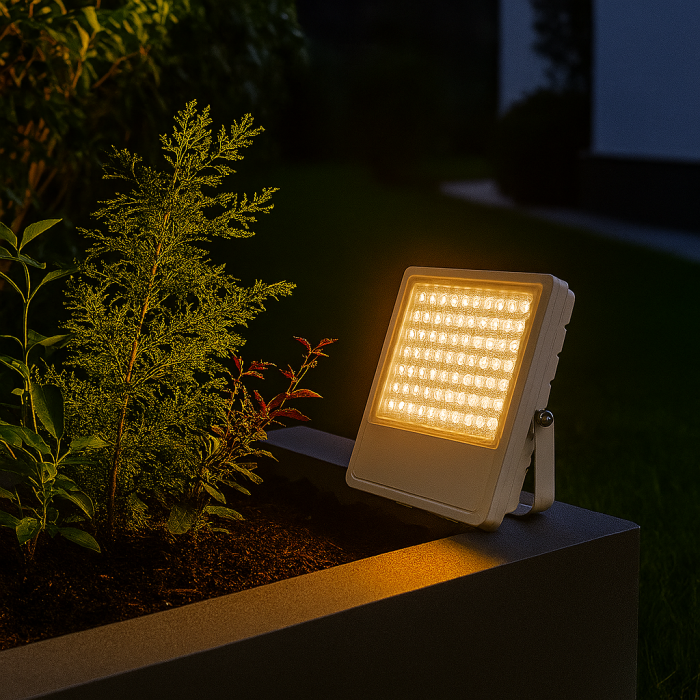
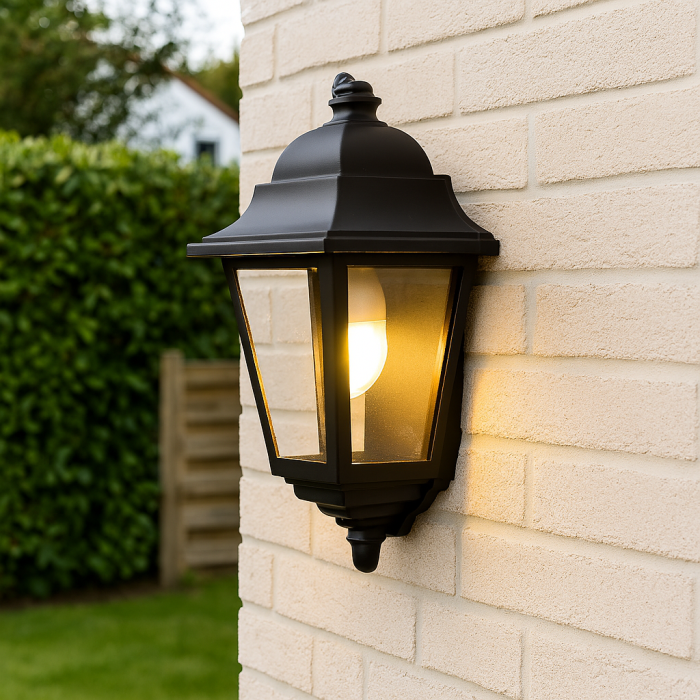
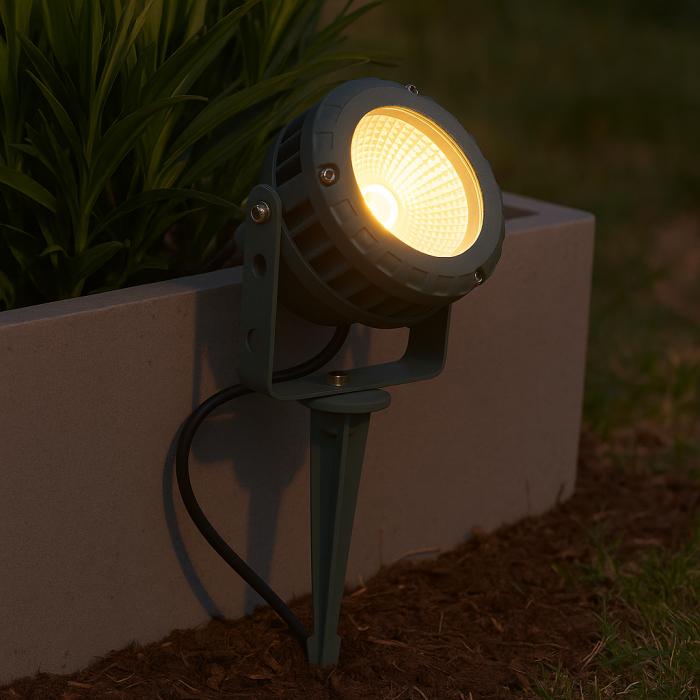
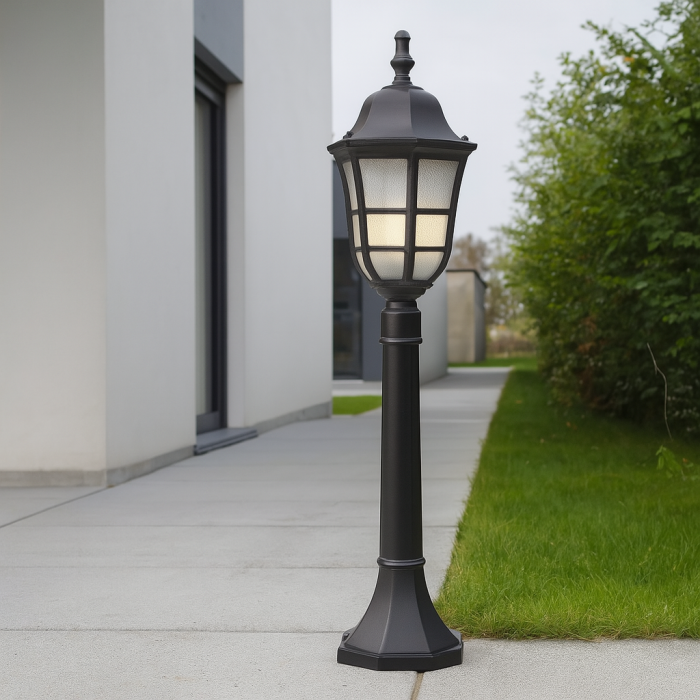
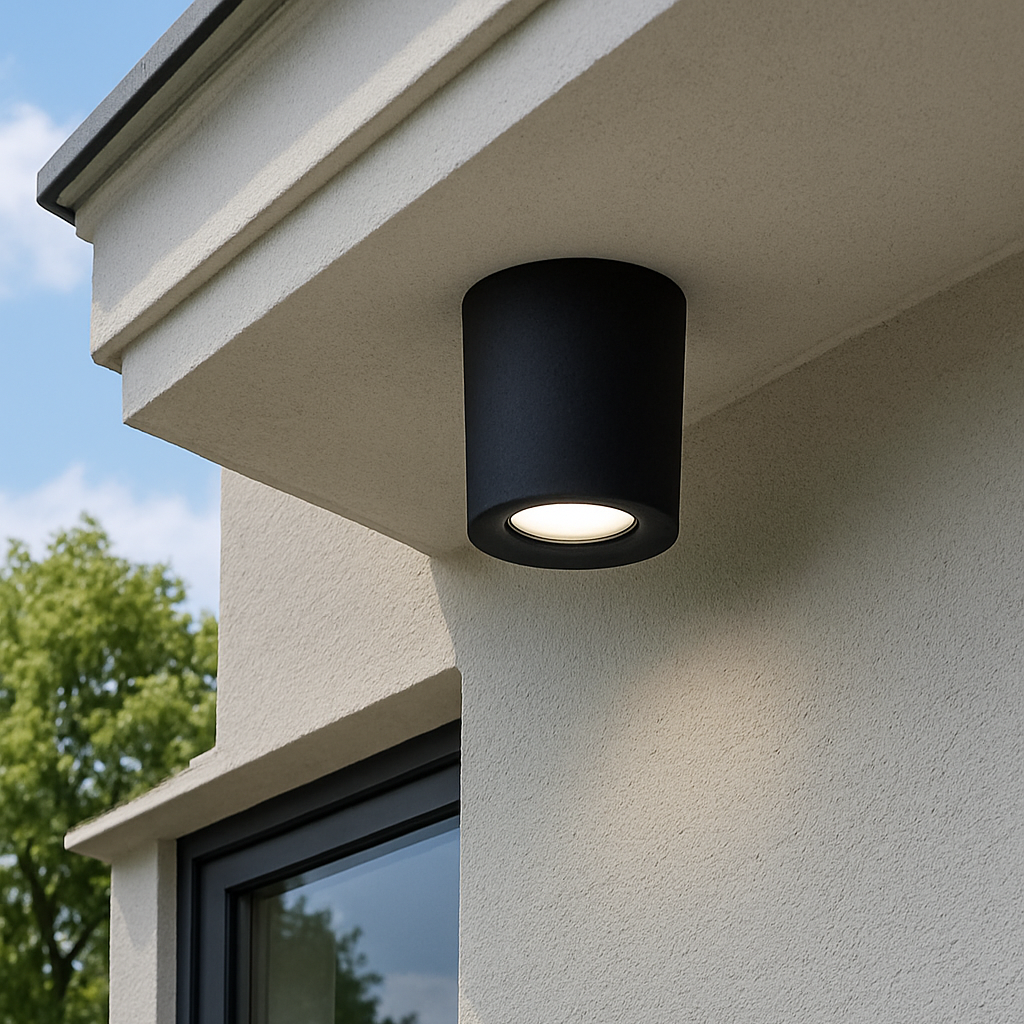
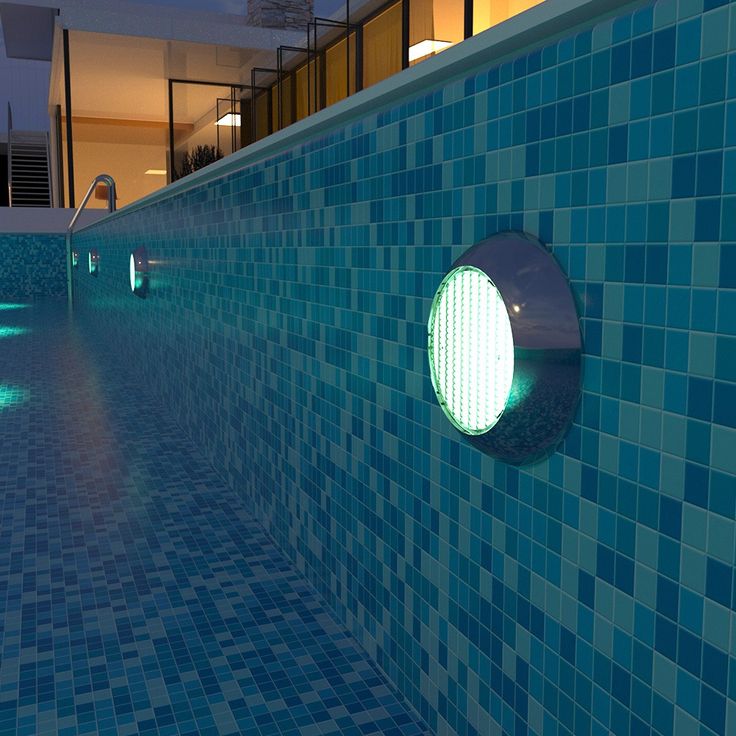
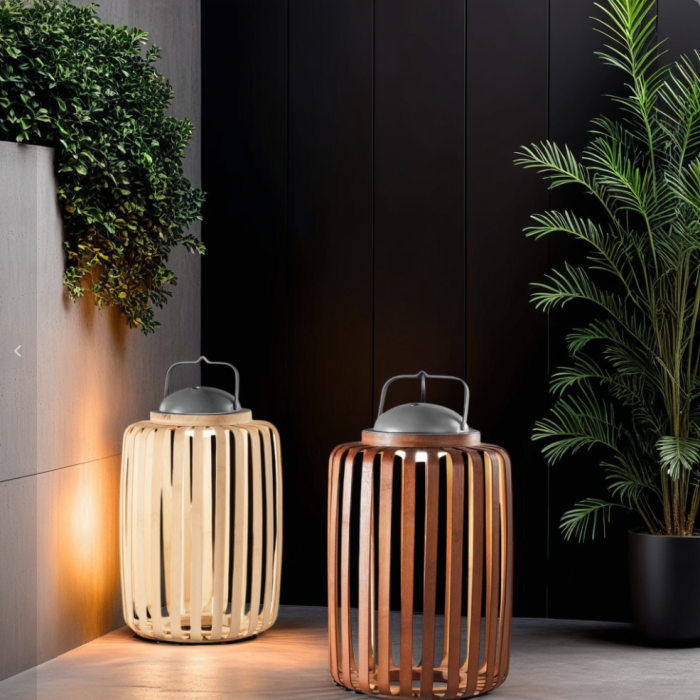
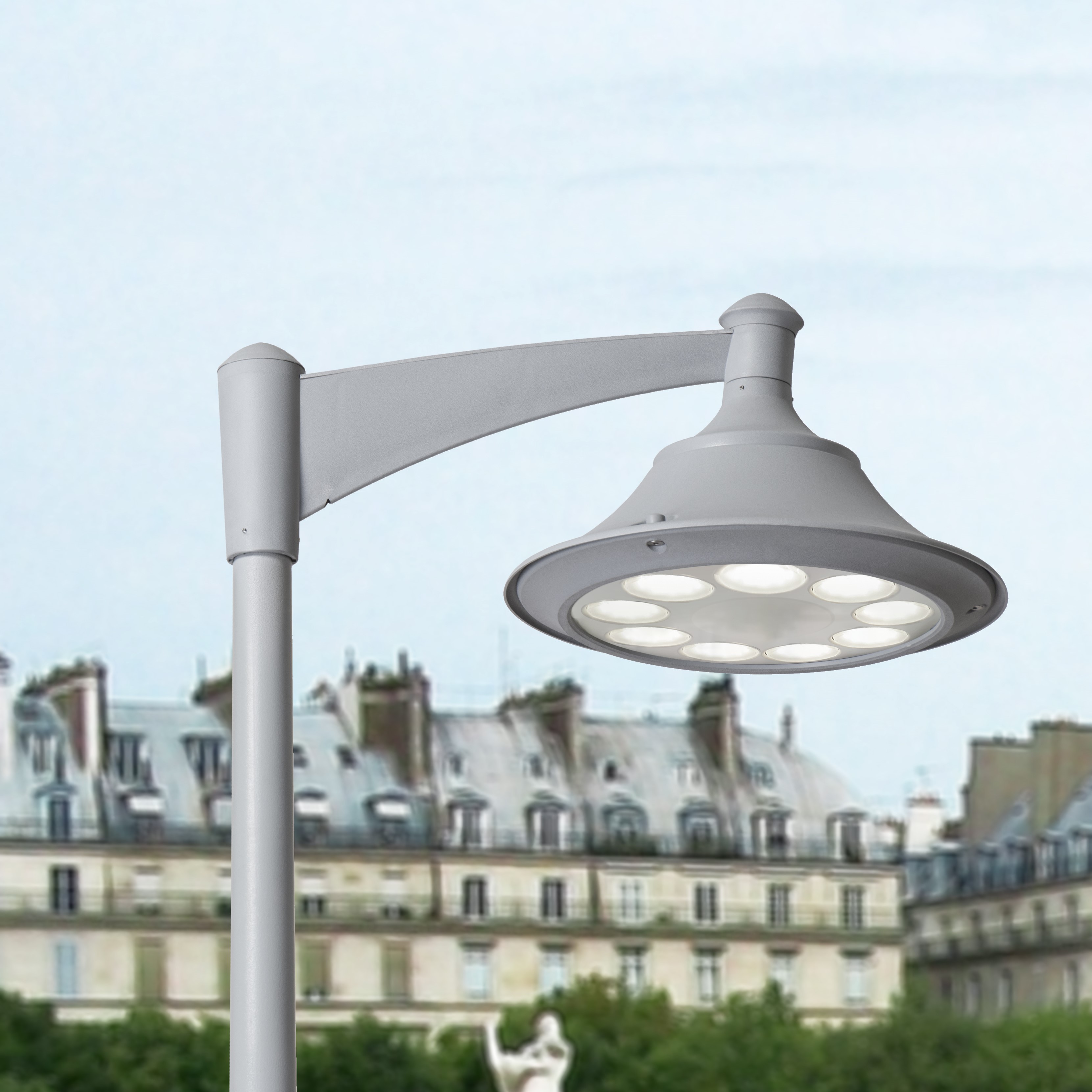
Explore a complete range of outdoor lighting for homes, villas, gardens and commercial projects, including floodlights, outdoor wall lights, in-ground lights, garden bollards, step and pathway lights, fence lights, wall washers, pool lighting, decorative outdoor fixtures and street lighting.
When choosing exterior lighting, consider the IP rating, light output, beam angle, color temperature and installation location. The ideal fixture for a facade may be different from the lighting required for a pathway, garden, fence or pool, so each outdoor area should be planned according to its function and desired lighting effect.
Frequently Asked Questions About Outdoor Lighting
How do I choose outdoor lighting for a garden or villa?
Start by identifying the area and purpose of the lighting.
Wall lights can illuminate entrances, facades and fences,
bollards work well along pathways and landscaped areas,
and in-ground lights can highlight trees and architectural
features. Floodlights are useful where stronger or broader
illumination is required. Then select the appropriate
output, color temperature and IP rating.
Which IP rating should I choose for outdoor lighting?
The required IP rating depends on the installation
location and its exposure to water and dust. IP65 is
commonly used for many outdoor lighting applications,
while locations with greater water exposure may require
higher protection such as IP67 or IP68 depending on the
application. Always check the individual product rating.
What is the difference between IP65, IP67 and IP68?
All provide high levels of protection, but their level
of water protection differs. IP65 is commonly used for
outdoor fixtures exposed to rain and water jets, while
IP67 and IP68 provide higher water protection for more
demanding applications. Select the rating according to
the actual installation environment.
What type of lighting is best for a villa facade?
Wall washers can illuminate broader sections of a facade,
while in-ground uplights can highlight columns, trees and
architectural details from below. Outdoor wall lights can
also create decorative effects directly on the facade.
The best option depends on facade height, distance,
beam angle and the desired effect.
What is the difference between an uplight and a wall washer?
An uplight generally directs light upward from the ground
to highlight a tree, column or architectural feature.
A wall washer is designed to spread illumination across
a broader section of a wall or facade. Both can be
combined to create layered exterior lighting.
How do I choose the right outdoor lighting beam angle?
Narrow beam angles concentrate light on a specific
feature such as a tree, column or architectural detail,
while wider beams illuminate larger areas. Consider
mounting height, distance from the target and the size
of the area rather than relying on wattage alone.
Is 3000K or 4000K better for outdoor lighting?
3000K provides a warm appearance that works well for
gardens, seating areas, entrances and decorative
facades. 4000K produces a more neutral white light
suitable for pathways and practical applications.
Both can be used depending on the atmosphere and
function of the outdoor space.
How should I light outdoor pathways and steps?
Pathway and step lighting should improve visibility
without creating uncomfortable glare. Step lights,
low-level wall lights and garden bollards can be used
depending on the layout. Fixtures should be distributed
appropriately and selected with a suitable outdoor
protection rating.
Which lights are suitable for fences and entrances?
Fence lights and lanterns can be installed on walls,
columns and gates, while outdoor wall lights are useful
beside entrances. Modern and classic designs are
available, including fixtures with replaceable lamp
bases such as E27 as well as integrated LED options.
Can any outdoor light be installed inside a swimming pool?
No. Pool lighting requires fixtures specifically designed
and rated for that application, with the appropriate
protection, electrical system and installation method.
A fixture being suitable for general outdoor use does
not automatically make it suitable for installation
inside a swimming pool.

